Elevate Your Living Space: Inspiring Concepts for Beautiful Home Additions
Transforming a home through thoughtful additions can meaningfully elevate both its usability and overall appearance. From bright sunrooms designed to welcome sunlight to generous outdoor decks suited for social events, the choices are varied. Enlarging essential spaces, such as kitchens, encourages togetherness, while a new garage can resolve organization concerns. Recognizing fundamental design components and thoughtful preparation is essential. Yet, what really drives homeowners to adopt these transformations? The answer resides in the life-changing potential of professionally crafted home additions.
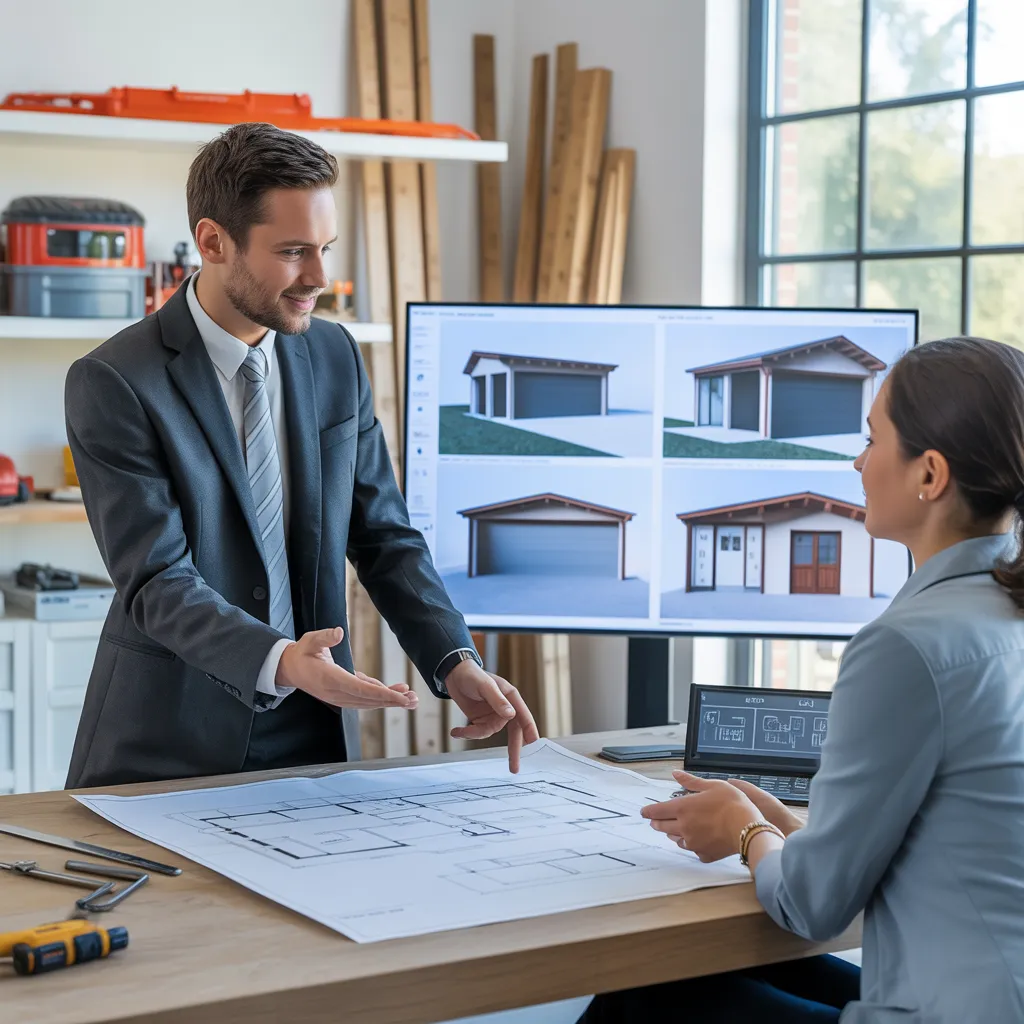
Explore Popular Home Addition Ideas to Transform Your Space
Many homeowners actively pursue unique approaches to upgrade their homes, and exploring popular home addition ideas can offer transformative solutions. One widely favored option is the addition of a sunroom, which brings natural light indoors while creating a serene space for relaxation. Another appealing choice is a deck or patio, expanding the usable space into the outdoors and ideal for hosting gatherings.
Homeowners can also explore expanding their kitchens, rendering them more practical and welcoming. Adding a garage not only offers extra storage but can additionally function as a personal workshop or creative space.
For individuals seeking more sleeping areas, a bedroom addition can offer essential privacy and comfort. Additionally, transforming attics or basements into functional living areas offers a chance for innovative design while making the most of existing square footage. Each of these ideas has the potential to enhance both functionality and aesthetic appeal, ultimately transforming a home into a more enjoyable environment.
Ways Home Additions Can Improve Your Lifestyle?
Home additions can significantly improve living space, offering families the opportunity to grow and adapt. Furthermore, enlarging a home can contribute to higher property value, making it a worthwhile investment. In addition, these improvements commonly encourage closer family relationships by creating shared areas for activities and gatherings.
Transform Living Space
Enlarging a living space through home additions can considerably enhance one's way of living by providing greater convenience and ease. For households, extra rooms can accommodate growing needs, such as a dedicated play area for kids or a dedicated home office. A carefully planned addition can create a smooth connection between indoor and outdoor spaces, encouraging social interaction and relaxation. Moreover, integrating elements like open floor plans or large windows cultivates a sense of openness and connection with nature. Enhanced living spaces also support customized design decisions, showcasing unique tastes and styles. In summary, home additions not only optimize existing areas but also develop spaces that enhance well-being and elevate everyday living.
Increase Property Value
Committing resources to property additions can significantly increase a home's market worth, making it a smart investment choice. By increasing living space or incorporating practical areas, sellers can appeal to interested purchasers and increase resale prices. Features such as additional bedrooms, updated kitchens, or flexible living spaces regularly produce substantial returns. Additionally, improvements such as sunrooms or outdoor decks not only enhance visual appeal but also cater to modern lifestyle preferences, further boosting desirability. A well-planned addition can turn a residence into a more desirable asset, aligning with present market demands and purchaser expectations. Ultimately, purposeful residential additions offer an intelligent method of enhancing overall property value while enhancing the overall living experience for current occupants.
Nurture Family Ties
A thoughtfully designed addition can greatly enhance family connections by establishing spaces that encourage interaction and togetherness. Open-plan layouts, such as family rooms or large kitchens, function as hubs for collective activities, nurturing communication and connection. Purpose-built areas for hobbies or playrooms provide children a place to explore, while adults can benefit from nearby social spaces. Moreover, integrating outdoor living spaces, like patios or decks, enables families to congregate in a welcoming environment. These additions not only support everyday bonds but also provide a backdrop for lasting gatherings and celebrations. In the end, carefully considered home additions convert living environments into supportive spaces that deepen family ties, elevating overall quality of life.
Essential Design Elements to Enhance Your Home Addition
As homeowners plan a home addition, integrating essential design elements can greatly boost both appearance and usability. Essential features encompass natural light, which can be achieved through large windows or skylights, creating a bright and inviting space. Moreover, an open floor plan encourages smooth transition between current and added spaces, fostering a sense of continuity.
Incorporating harmonious materials and color schemes ensures the addition complements the existing framework, upholding architectural integrity. Strategic placement of furniture and fixtures improves practicality, rendering the space functional for daily use. Exterior links, including a patio or deck, help broaden living areas and foster outdoor relaxation. Finally, energy-efficient designs, including proper insulation and sustainable materials, promote enduring cost reductions and environmental stewardship. By prioritizing these key design components, residents can craft a harmonious and stunning addition that enriches their home life.
Successfully Plan Your Home Addition Project
Effective planning is vital for a well-executed home addition undertaking. Homeowners should begin by defining their goals, whether it's expanding their living area, improving usability, or raising the home's value. Creating a solid vision serves to navigate the planning and building process. Next, investigating local building codes and zoning regulations is essential to ensure adherence and prevent possible complications.
Creating a check here schedule that details every phase of the work assists in ensuring direction and accountability. Homeowners may also want to consider engaging qualified professionals, such as designers or contractors, for professional insight and to optimize the project.
In addition, emphasizing team member communication promotes cooperation and tackles problems as they emerge. As a final consideration, keeping an eye on future needs can aid in designing an addition that remains functional over time. By following these steps, homeowners can approach their home addition endeavors with increased certainty and focus.
Financial Planning for Your Home Addition: Must-Know Tips
Budgeting for a home addition requires careful consideration and planning to prevent unforeseen costs. Homeowners ought to start by establishing a realistic budget that includes all components of the project, including permits, materials, labor, and unforeseen expenses. It is recommended to set aside an extra 10-20% of the overall budget for contingencies.
Gathering and evaluating quotes from multiple contractors can provide valuable insights and help in making informed decisions. Additionally, homeowners ought to distinguish between their needs and desires, guaranteeing that key components are incorporated while staying within their budget.
Establishing a detailed timeline can assist in synchronizing expenditures with construction stages, alleviating economic stress. Finally, consulting with a financial advisor or a building expert can shed more light on likely costs and payment alternatives, guaranteeing that the budget remains manageable throughout the home expansion project. This calculated method helps in achieving a successful and financially sound residential expansion.
Real-Life Home Addition Projects That Will Inspire You
Stunning home addition transformations highlight the impressive promise of living spaces. One standout case is a humble compact home that underwent a stunning upgrade with a sophisticated, contemporary expansion. By including a spacious culinary and dining zone, the residents improved their cooking experience while establishing a inviting gathering space for relatives and companions.
One notable transformation showcases a tiny home that extended skyward with a delightful loft, making the most of the space by incorporating a snug reading area. This ingenious approach not only added functionality but also infused character into the home.
Finally, a single-story suburban home embraced a current look with a floor-to-ceiling glass sunroom, bathing the interior in warm natural light and providing breathtaking views of the backyard garden.
These actual transformations demonstrate the wide range of possibilities for home improvements, inspiring homeowners to envision their own unique enhancements and transform their living spaces.
Common Questions and Answers
What Permits Are Required for a Home Addition Project?
When undertaking a home addition project, one typically needs a building permit, approval from the zoning board, and potentially electrical or plumbing permits. Building codes and regulations vary by location, so checking with your municipal office is crucial to guarantee compliance with all requirements.
How Long Does a Typical Home Addition Take to Complete?
A standard home addition typically takes two to six months to finish, depending on factors such as permits, size, complexity, and weather conditions. Proper planning and contractor efficiency can influence the timeline considerably.
Am I Able to Remain in My Home During the Addition Process?
Yes, homeowners can typically remain in their homes during the addition process. However, aspects like the project's scale, construction location, and sound levels may affect daily comfort and access, prompting temporary arrangements or modifications during construction.
What Common Mistakes Should You Avoid When Planning an Addition
Frequent errors to watch out for during addition planning include underestimating costs, ignoring necessary building permits, overlooking structural integrity, neglecting to evaluate future demands, and not consulting professionals. Thorough planning ensures a more seamless process and superior outcomes.
What Is the Best Way to Choose the Right Contractor for My Project?
To identify the best specialist, one should investigate experience, verify recommendations, and establish open communication. Evaluating several estimates and assessing previous work can assist in identifying reliability and compatibility for the specific home improvement project.